
3. Putting impact into practice
Impact is rarely confined to a single area. Most decisions a co-operative makes has the potential to create social, environmental and economic value.
Rather than thinking about these as separate priorities, it can be helpful to view them as three connected areas that work together to support long-term success.
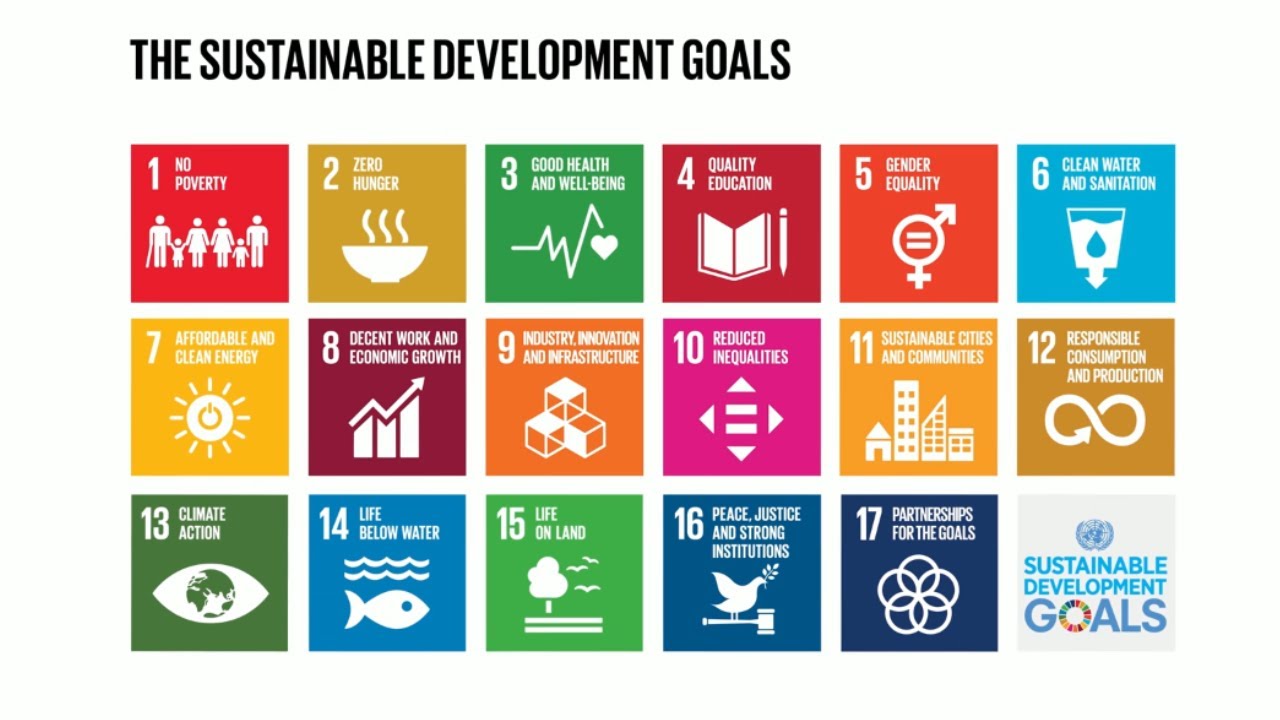
Many co-operatives already contribute to the United Nations Sustainable Development Goals (SDGs) through their everyday activities. Linking these activities to the seven Co-operative Principles provides a practical way to demonstrate not only what impact you create, but also why that impact is a natural outcome of the co-operative model.
You do not need to contribute to every Sustainable Development Goal. Instead, focus on those that are most relevant to your purpose, members and activities.
People
Co-operatives exist to improve people's lives. Whether through employment, membership, services or community engagement, many already create significant social value.
Examples might include:
- Creating fair, secure and meaningful employment
- Supporting member participation and democratic engagement
- Improving access to goods and services
- Investing in education, training and skills
- Promoting equality, diversity and inclusion
- Supporting health, wellbeing and community resilience
These activities often align with Sustainable Development Goals such as:
- SDG 4: Quality education
- SDG 5: Gender equality
- SDG 8: Decent work and economic growth
- SDG 10: Reduced inequalities
They also reflect several of the co-operative principles, including:
- Principle 1: Voluntary and open membership
- Principle 2: Democratic member control
- Principle 5: Education, training and information
- Principle 7: Concern for community
Good practice tip
Think beyond the services you provide. Consider how the way your co-operative operates also creates positive outcomes for members, employees and communities.
Planet
Looking after the environment is increasingly recognised as an important part of long-term business resilience. Many environmental improvements also reduce costs, improve efficiency and strengthen preparedness for future risks.
Depending on your size and sector, this could include:
- Reducing energy use
- Lowering greenhouse gas emissions
- Improving resource efficiency
- Reducing waste
- Sustainable procurement
- Protecting biodiversity
- Preparing for climate-related risks
Alignments with Sustainable Development Goals include:
- SDG 7: Affordable and clean energy
- SDG 12: Responsible consumption and production
- SDG 13: Climate action
Environmental sustainability is closely linked to Principle 7: Concern for community, recognising that caring for communities also means caring for the natural environment on which they depend.
You do not need to start with complex carbon accounting. Simple actions such as monitoring energy use, reducing waste or reviewing purchasing decisions can make a meaningful difference and provide a strong foundation for future improvement.
Looking for practical support?
The Co-operative Bank partners with Zellar, an online sustainability platform designed to help smaller organisations understand and reduce their environmental impact. It provides practical tools to measure emissions, identify actions and track progress without requiring specialist expertise. If you're from a co-operative business, contact us if you would like an introduction you to the Bank to access more details.
Prosperity
Economic sustainability is about creating long-term value that enables your co-operative to continue serving its members and communities.
A financially resilient co-operative is better placed to invest in people, respond to changing circumstances and deliver lasting social and environmental impact.
Examples include:
- Maintaining financial resilience
- Reinvesting surpluses for member and community benefit
- Supporting local suppliers and local economies
- Delivering value for members
- Collaborating with other co-operatives
- Investing in innovation and future development
These activities often contribute to:
- SDG 8: Decent Work and Economic Growth
- SDG 11: Sustainable Cities and Communities
- SDG 17: Partnerships for the Goals
They also reflect the co-operative principles of:
- Principle 3: Member Economic Participation
- Principle 6: Co-operation among Co-operatives
- Principle 7: Concern for Community.
Economic success and social purpose are not competing priorities. In a co-operative, they reinforce one another. Financial strength enables co-operatives to continue delivering positive outcomes for members, communities and the environment over the long term.
Bringing it all together
The greatest impact is often created where people, planet and prosperity come together.
For example:
- Investing in energy efficiency can reduce emissions, lower operating costs and free up resources for member services
- Providing high-quality training can improve employee wellbeing, strengthen organisational performance and support local employment
- Buying from local suppliers can strengthen the local economy, reduce transport emissions and build stronger community relationships
Looking at impact in this connected way helps co-operatives make better decisions and demonstrate the full value they create.
Rather than measuring social, environmental and economic impacts separately, consider how they support one another and contribute to your overall purpose.
Key takeaway
Start by identifying the areas where your co-operative already makes the greatest difference, then build your approach around those strengths.
Questions to consider
- Which of these three areas best reflects your co-operative's purpose?
- Which Sustainable Development Goals naturally align with your activities?
- Which Co-operative Principles are most visible in the way you operate?
- Are there opportunities to strengthen impact across more than one area at the same time?
- How could you better communicate the difference your co-operative already makes?