Reflections from GLL’s new CEO: why being a worker owned organisation matters
Blog post

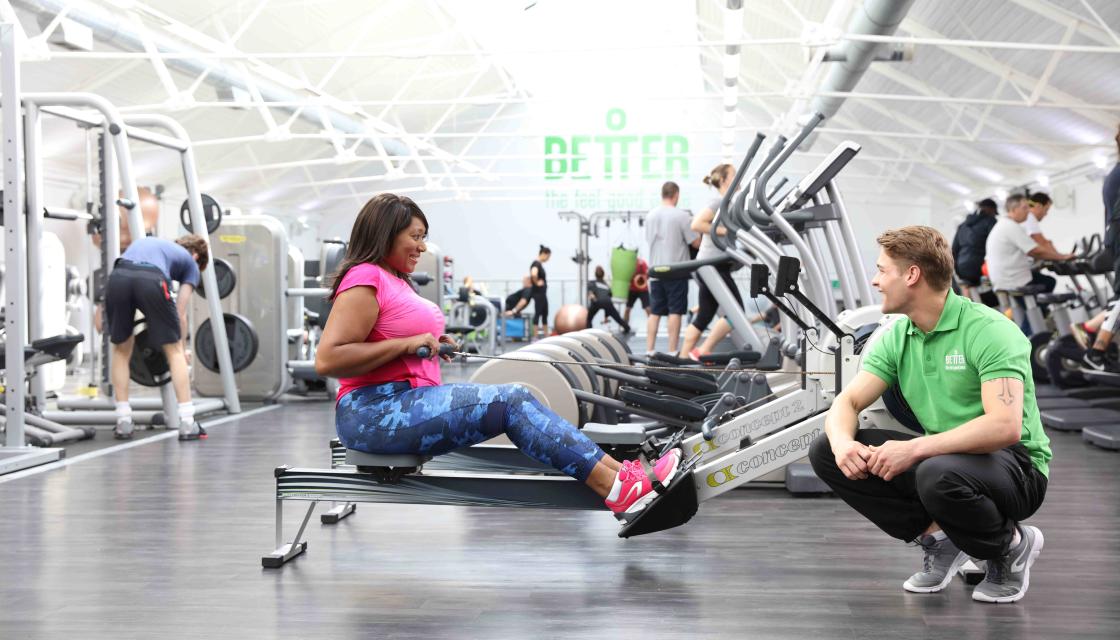
GLL is a long established charitable social enterprise owned by its staff and founded on purpose and values to provide a different, fairer and better way of doing business. In this blog from Philip Donnay, GLL’s new Chief Executive Officer, he explains why being a worker-owned organisation matters.
We were established in 1993 with a portfolio of seven leisure centres in one partnership. Now, we directly manage more than 375 facilities including leisure centres, play centres, children centres and libraries in partnership with more than 60 local councils and other organisations across the UK. In the last year, we’ve welcomed more than 67 million customers to our facilities, and generated more than £2.2 billion of social value impact.
As I take on the role of Chief Executive, I’ve found myself reflecting on a simple question: what is it about the workers co‑operative model that continues to matter so much to us?
In a sector often dominated by short‑term pressures and competing interests, a worker‑owned organisation provides a different answer to how organisations can be run. It reminds us that success is not just measured by financial performance, but by the value created for our society, members and the communities we serve.
The worker‑owned principle has been at the heart of GLL since its formation more than 30 years ago, and I’ve been fortunate to have been part of it since the very start.
As a charitable social enterprise owned by its employees, our purpose has always extended beyond the bottom line. Every decision we make is shaped by a commitment to deliver social impact through sport, leisure, health and cultural services, while ensuring the organisation remains strong and sustainable for the long term.

The conversation moves beyond a financial consideration to “What is best for our customers, our communities, our workforce and the organisation over the coming years?”
That long‑term perspective is particularly important in the public services landscape. Whether operating leisure centres, libraries or cultural venues, organisations are increasingly being asked to do more with less, while responding to growing challenges around health inequalities, community wellbeing and financial sustainability. We have a huge role to play in prevention to create a healthier world.
I believe organisations rooted in co‑operative values are uniquely placed to help meet today’s challenges. They combine commercial discipline with social purpose, entrepreneurial thinking with worker accountability, and financial resilience with a commitment to wider public benefit.

As a chartered accountant by background, I have always appreciated the importance of sound financial stewardship. Strong finances matter because they provide the stability needed to invest, innovate and deliver lasting impact. But financial success should be a means to an end, not an end in itself. The co‑operative worker-owned model helps ensure that economic value serves social value, rather than the other way around. And, as a charitable society, we ensure every penny generated is reinvested in our people and communities.
The principles that underpin co‑operation are not new, but they feel increasingly relevant. In a world where trust in institutions can no longer be taken for granted, people want organisations that are transparent, responsible and connected to the communities they serve. They want a voice. They want purpose. They want organisations that balance performance with principles.
Looking ahead, I believe the co‑operative movement has an important role to play in demonstrating that there is a different way of doing business: one that creates economic value while delivering social good, one that prizes long‑term stewardship over short-term gain, and one that puts people at the centre of success.
At its best, worker ownership is not simply an organisational structure. It’s a statement of belief that those who contribute to an organisation should have a say in its future and direction. That idea remains as powerful today as it has ever been.
As I lead GLL’s next chapter, I continue to be proud of being part of an organisation built on those principles – and optimistic about the contribution that worker ownership can continue to make to building stronger communities and a fairer, healthier society.

Exercise in ownership: GLL reinvests and delivers measurable public benefit
Case studies
What is a co-operative

Events calendar