Keeping culture alive through the power of co-operation
Blog post

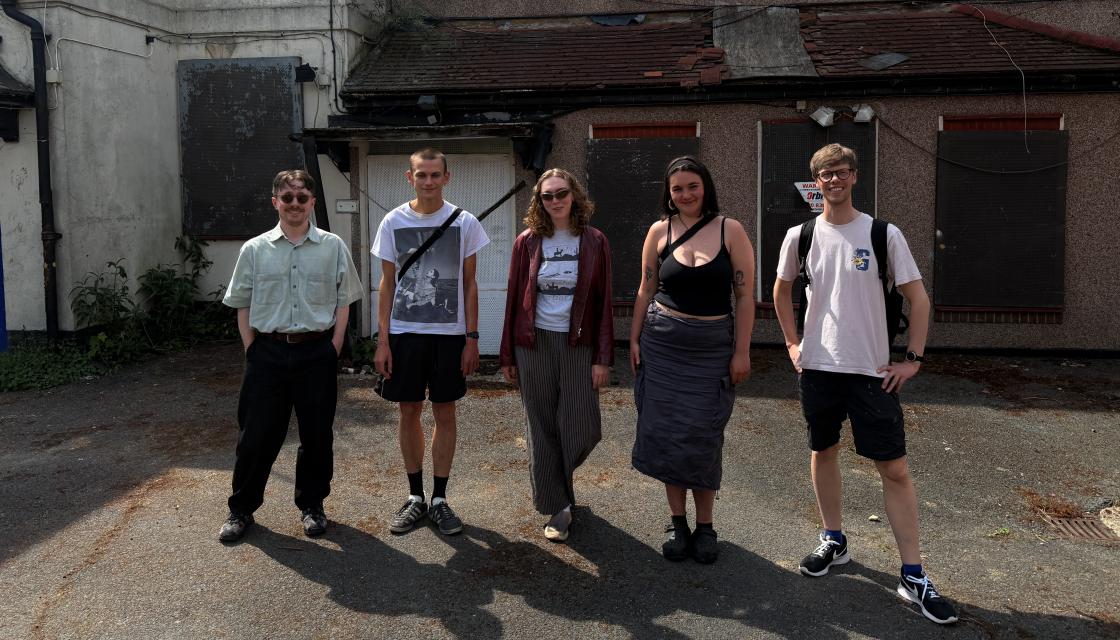
In this blog from Co-operatives UK’s Youth Ambassador Louis Burnay, he discovers how young people in London are forging networks rooted in co‑operation, mutual support and a shared passion for community – to save and create vital cultural spaces in the face of adverse economic conditions.
Sky-high rents, tight licensing regulations, lack of investment and the rocketing cost of living are just some of the factors that make the current climate, especially in London, arguably the most hostile it has ever been to start new cultural projects.
Those who decide to embrace this challenge can end up working seven days a week, with free time a rarity. In my recent visit to the capital, I met five of them – passionate young change-makers striving to create and preserve vital community spaces:
- Lenny Watson, a Co‑op Practitioner with Principle Six and co-founder of Sister Midnight, a group working to create Lewisham’s first community‑owned music venue.
- Nick Keegan, co‑organiser of Friends of Bethnal Green Working Men’s Club, set up to save the club as a LGBTQ+ performance venue and bring it into community ownership.
- Peter Cragg, of Friends of the Joiners Arms, who are on a mission to open London’s first community-run LGBTQ+ venue.
- Ethan Murphy and Miren Galfarsoro of new start‑up Lewisham Commons, formed to run a social centre in South East London providing a food co-op, community canteen, event space and more.
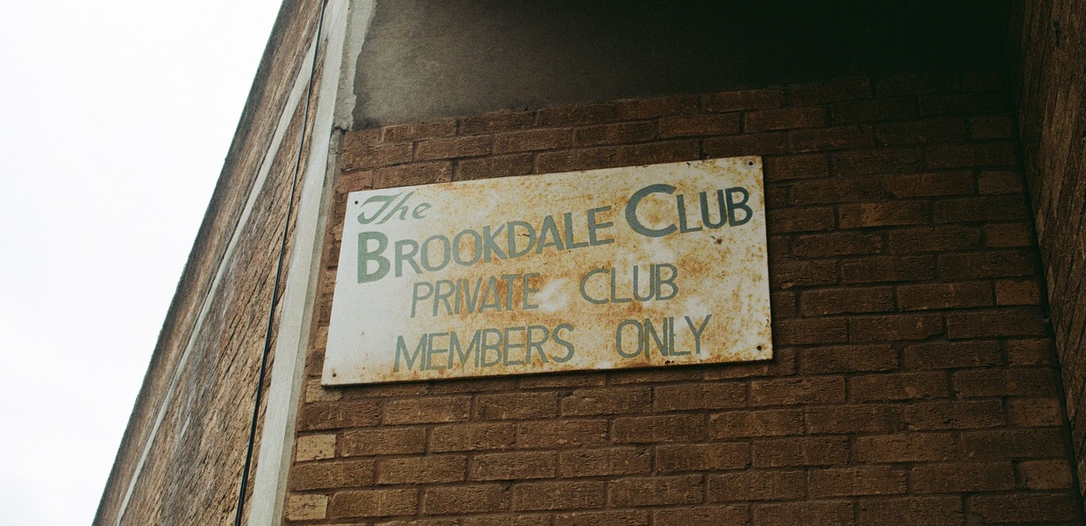
We met in the Catford Centre, a bustling and culturally diverse shopping and social space where Sister Midnight have recently secured the keys for the next 11 years on the site of the old Brookdale Club – an abandoned working men’s club that has been unoccupied for half a decade.
The building, now dormant, boarded up and seemingly ready for demolition, will soon be alive with music, events and people of all ages – a haven for local residents and a safe space for connection and community activities.
Lenny took us through the derelict club, almost completely unchanged from its former decor, introducing us to studio spaces, radio hubs, toilet blocks and kitchenettes – though they all remain in the imagination for now.
As we walk, I talk to Nick about the fight to save Bethnal Green Working Men’s Club in the face of landlords asking for north of £4 million to buy out their beloved venue. This work is not for the faint hearted.
We reconvene at a local cafe and discuss the trials and tribulations of building ownership, battles with councils and the cost of living. I get a real feeling that everyone is as exhausted as they are excited.
The barriers to realising their dreams are many: social spaces have been deprioritised and are largely unsupported; the cost of living, rent and bills has seen many close their doors and thus income – let alone profit – has deeply suffered.*
Something that keeps coming up in all of this, though, is the power of collaboration – of co‑operation. These groups are threaded together through Lenny’s work as a Co‑op Practitioner, sharing her knowledge, passion and resources with each group and binding them together.

It’s important to remember the context of this work too. Music Venues Trust (MVT) – a charity set up to save music venues – estimates 35% of grassroots venues have closed over the past 20 years.
Last year alone, 46 live venues shut down – and though that number might sound insignificant to some, each one of those spaces simultaneously supported grassroots culture and provided a living for a team of local people.
MVT is doing incredible work. It set up Co-operatives UK member Music Venue Properties to bring venues into community ownership – and its emergency fund has supported 200 venues. However, the problem is endemic.
Yet, when Sister Midnight opens its doors in Spring 2026, co‑founders Lenny, Sophie and Lottie – and all their hundreds of members – will be proud to say they are bucking the trend, by creating a space that brings immeasurable cultural and social value.
Likewise, if everything goes to plan, the Joiners Arms and Bethnal Green Working Men’s Club will both resuscitate crucial cultural spaces by going down the community ownership route.
In fact, Piehouse Co‑op – an accessible worker‑run music and arts venue in Deptford – has done just that, having re‑opened in December 2024 after its former venue, Matchstick Piehouse, was almost certain to close.
And it’s not just music and arts spaces either. Ethan and Miren of Lewisham Commons, both under 25, have successfully applied for help from the Business Support for Co‑ops programme, delivered by Co-operatives UK in partnership with The Co‑operative Bank.
Under the guidance of Lenny, their programme-appointed consultant, they’re working to push against the imagery of dusty shopfronts and rusty shutters and open their doors to a community that needs them more than ever.
The common theme here is that no-one is working alone – amongst other problems, isolation doesn’t seem a notable one. And though it’s no easy feat to generate support or momentum, each of these projects has hundreds, if not thousands, of supporters behind them.
While the reality they face is sobering, the consensus among this group is clear: co-operative and community ownership structures create strong foundations, offer longevity and build for the future. Community ventures like these need public and political support more than ever.

Friends of the Joiners Arms – a ground-breaking community shares venture

A pioneering co-operative venture that’s music to the ears