Unlocking bigger investment through tax reliefs and community shares
Blog post


How can you unlock larger individual investments in your share offer? There are two tax reliefs which can help make this happen.
Community shares offer communities a unique way to raise investment directly from supporters, providing a democratic, flexible, and often cost-effective alternative to traditional bank loans.
Understanding how much you can raise, how many investors you need to reach, and the average individual investment amount is crucial. Encouraging a smaller number of large individual investment can have a big effect.
Some recent share offers have shown that offering tax relief to investors has helped the societies to raise significant amounts of investment through community shares. Crucially this has included unlocking some larger individual investments, writes Dave Boyle, Community Shares practitioner and a member of Co-operatives UK's board.
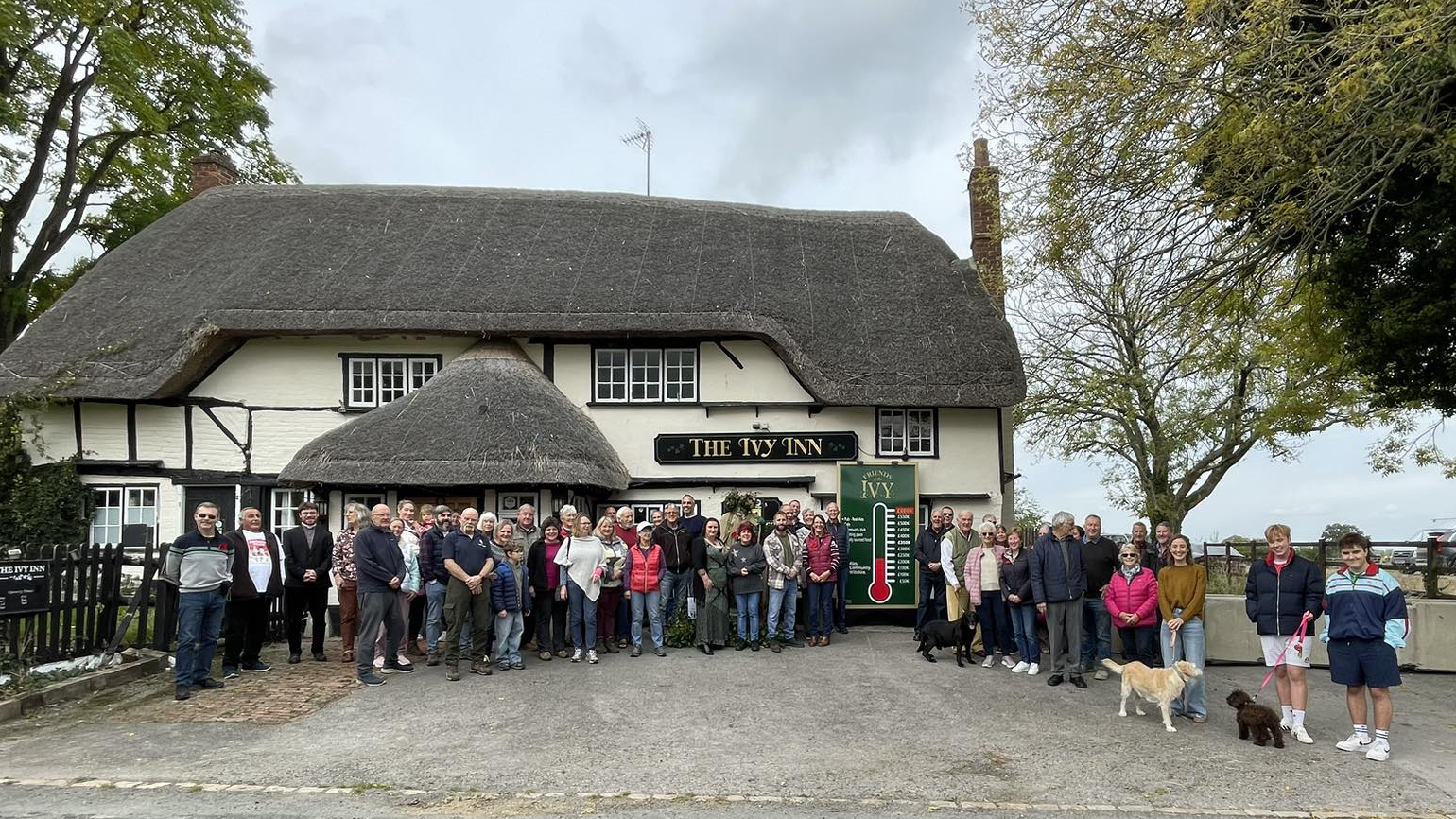
Recent examples include the Kings Head Community Benefit Society in Sussex who raised £650k, the Drewe Arms in Exeter who raised £547k, and Friends of the Ivy in Wiltshire who raised over £400k.
While the government unfortunately ended Social Investment Tax Relief (SITR) a few years ago, there are two other tax reliefs that could help you.

Tax relief and community share offers
Imagine you’re doing a community share offer and you’re having a public meeting to talk up the idea of the community buying that asset that everyone’s convinced still has a future. You ask everyone how much they were prepared to invest. And then you ask them if they wanted to double the amount they’d just told you, at no extra cost to themselves? It’s possible, if you have Seed Enterprise Investment Scheme (SEIS) relief.
SEIS is one of a suite of tax breaks that enable investors to lower the amount of income tax (and some others taxes) they pay if they make investments into eligible businesses. Work done on community shares and tax by Co-operatives UK’s initial Community Shares pilot programme in the early 2010s identified that there was no reason why societies issuing community shares couldn’t be eligible and since then a steady stream of societies have successfully used the reliefs.
SEIS is the super-useful relief, giving 50% income tax reduction, so if you invest £500, you reduce your income tax by £250 meaning the society gets £500 at a net cost to you of £250 (but you still have £500 invested, eligible for interest and future withdrawal).
You can also reduce any Capital Gains Tax due if you redirect a capital gain into the investment, taking the relief to 64% of the total. And, if the society ever goes bust or has to write down the value of the investment, then 50% of your investment can be an allowed expense when calculating tax due.
That’s only available for £250,000 of investment into a society, but if you’ve managed to get SEIS, you’ll also be able to offer Enterprise Investment Scheme (EIS) relief to everyone else up to a total of £15M of total investment. EIS isn’t quite as lucrative, giving a 30% income tax reduction, and shielding any Capital Gains Tax due on a redirected capital gain until community shares were withdrawn.
Community shares and the Pareto Principle
Investment tax reliefs are a really powerful way to make the Pareto Principle – or the 80/20 rule – work for societies, where a smaller number of wealthier investors provide a large part of the total, with the larger number of smaller investors providing the remainder.
The precise split in a society’s share issue will vary; Jubilee Pool in Penzance found 90% of their total came from the top 20% of investors, whereas for the Globe Hotel in Torrington in 2025, it was 73%.
Community shares offers can attract some significant individual investments, and evidence shows tax relief can encourage more of these. The Drewe Arms in Exeter had an average investment of £1,076. But, importantly they received three individual investments of £20k, with 21 individual investments between £10-17k each. While the Globe in Torrington, Devon had 18 individual investments over £2,000 each, and one at £20k. This shows incentivising and unlocking even a small number of larger individual investors can be crucial to meet larger investment goals.

The Kings Head needed to raise a whopping £650,000 and they were nervous leading into the share offer. They knew people supported the pub, but were worried that wider concerns about the cost of living could make people err on the side of caution and lower what they were prepared to put in. The tax reliefs were targeted at the wealthier investors who they needed to really get behind them, so they offered the lucrative SEIS only to those who could invest £10,000 or more. This tempted eight of their 366 investors to put in a whopping 28% of the total.
Accessing tax relief for community share offers
Offering tax relief is a reward that can be given to the already-wealthy without getting everyone else’s back up since it means nothing to most people, and means an awful lot to a small minority – who are the exact same people any share issue needs to dig deep if it is to get over the line.
The legislation defines a series of business activities that are prohibited and from which you can’t earn more than 20% of your revenue, which currently rules out investment for community energy, community supported agriculture and community land trusts.
In addition to the ineligible trades, a business can’t earn more than 20% from non-trade activity, which is the biggest headache for societies doing community shares because of the way HMRC defines letting space to be not trading.
This particularly affects community owned pubs, which might prefer to get an experienced tenant in to run the pub as their own business inside a community-owned asset as this reduces the risks (and hassle) going forwards.
If you do want to get the tax reliefs and maximise your chances of securing the asset, you need to be clear-eyed about the responsibilities you’re taking on from the get go; it’s too late to change horses mid-share offer when you realise you need tax relief to motivate the larger investors.
If you are eligible, you can either apply after you’ve raised the money and get certificates for your investors that they then use to reduce their tax liability. It’s better though to get ‘Advance Assurance’ from HMRC before you raise the funds so you can give investors the security of knowing that money they put into the share issue will definitely get the relief.
Accessing support on tax relief for share offers
Anyone thinking of applying is advised to speak to someone who has experience in working with societies and tax reliefs as there are a lot of nuances in the legislation that can catch people out (and provide some helpful opportunities).
- Contact [email protected] if you're considering this route for your community share offer
- Sign-up for training on tax reliefs while using community shares capital on Thursday 7 May, 10-11.30am, to understand the detail further
Meanwhile, the growing examples show both the potential of using tax relief to unlock private capital through community shares, and the challenges around the restrictions on which business models are eligible and which are not.
The Social Impact Investment Advisory Group published a report last year calling for a 'mobilisation mindset.. to leverage private investment.. and mobilise impact capital'. Current tax reliefs for community shares show what can be possible. Government's new Office for the Impact Economy could help unlock more of this type of investment by reforming the tax relief eligibility.
Training: Tax reliefs while using community shares capital