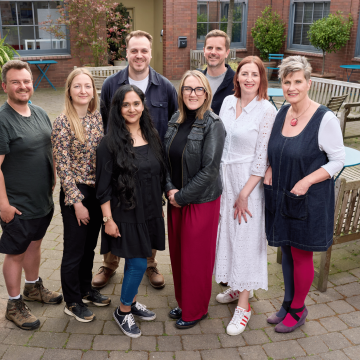


Caribbean Creative Convention: Exploring the power of co-operatives for Caribbean creatives in the West Midlands
Blog post

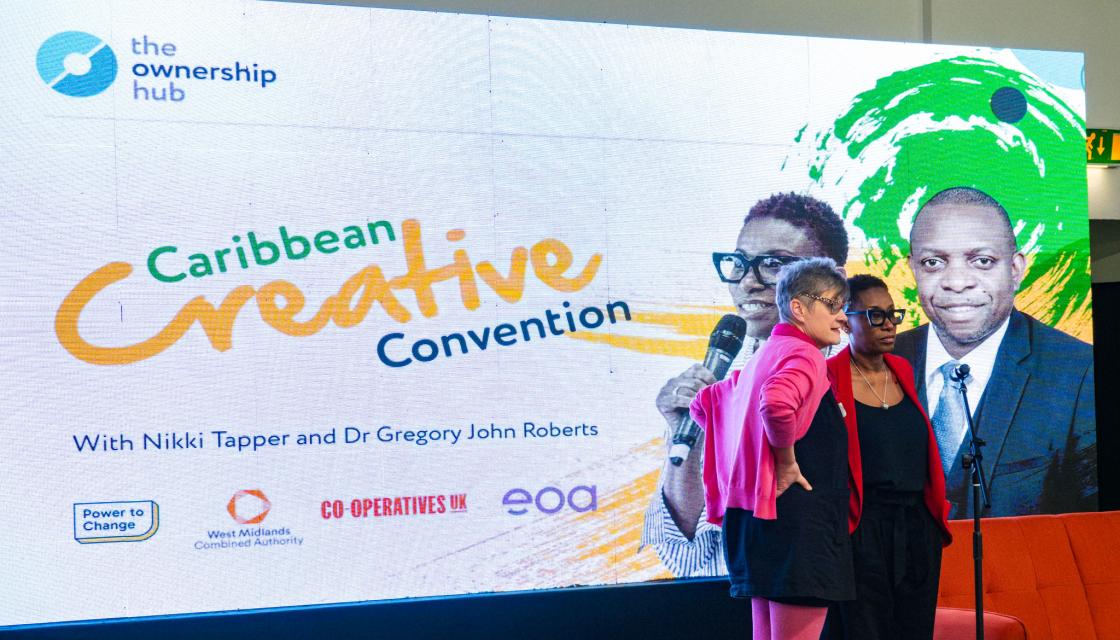
Held in February 2025, the Caribbean Creative Convention was part of an initiative by the West Midlands Ownership Hub to support co‑ops in the region, particularly among under‑represented groups.
In this blog, consultant and co‑operative executive Dr Gregory John Roberts recalls the order of the day and explores the significance of the event as a celebration, inspiration and a call to action for co-operative solutions that empower creatives.
Towards the start of the International Year of Co‑operatives, Birmingham came alive with the vibrant rhythms, rich stories, and bold visions of Caribbean culture. The Caribbean Creative Convention, hosted by the West Midlands Ownership Hub, was more than just an event – it was a bold statement on the potential of co‑operatives to empower creative communities, particularly those rooted in the Caribbean diaspora.
This unique gathering, at the Legacy Centre of Excellence, on Saturday 8 February, brought together musicians, artists, entrepreneurs, poets and changemakers to hear how a co‑operative approach to business ownership can offer resilience, economic stability and self‑determination for creatives. The convention highlighted both the heritage and future of co‑operatives in Caribbean and UK contexts.
Why co-operatives? Why now?
The West Midlands is home to a rich tapestry of Caribbean heritage and creative energy. Yet, like many communities, Caribbean creatives often face challenges around sustainability, access to funding and fair ownership. Co‑operatives – businesses owned and democratically run by their members – offer a compelling solution.
Jo Ind, West Midlands Ownership Hub Co‑ordinator, opened the main session by outlining how co‑operatives are particularly well‑suited for creatives. They allow artists and cultural workers to pool resources, maintain control over their work and build wealth within their communities – values that resonate deeply with the Caribbean traditions of mutual aid and self-reliance.
From roots to renaissance: Caribbean co-operative history
My keynote address provided a powerful historical context – tracing the roots of co‑operation in the Caribbean back to resistance and survival. I spoke of how the creative expressions of enslaved Africans were nurtured, developed and celebrated through music, sculpture, storytelling and other creative forms. The creative force of resistance that developed in the crucible of the Caribbean gave rise to Mento, Ska, Reggae, Dancehall, Soca, Calypso and the emergence of the only musical instrument to be invented in the twentieth century – the steel pan.
The speech also highlighted the spirit of co‑operation that was evident in the way Caribbean people survived during hundreds of years of chattel slavery. They engaged a type of rotating labour support system to ensure the maximisation of their limited time to cultivate their food. This led to the ‘Pardna’ system or ‘susu’ that was an early form of rotating savings that became fertile ground for credit unions. Attendees were shocked and delighted to hear that the first credit union to be registered in the UK was actually started by a Barbadian and a Jamaican, as a solution to the lack of access to formal credit in the UK.
I also emphasised the critical role that creatives played in these movements. Our stories, songs and images have always been tools of liberation. Whether through reggae, theatre or visual arts, Caribbean creatives have long used co‑operative models – formal or informal – to sustain themselves and their communities.
The West Midlands connection
The day’s panel discussion, The Making of West Midlands Co‑ops chaired by journalist and broadcaster Nikki Tapper, explored how creatives can form co‑operatives in the current context.
As well as myself, panellists included:
- Joyce Osbourne from OPOL Co‑op, which is focused on community empowerment through business
- Elizabeth Lawal from More Than a Moment, which creates inclusive spaces by connecting businesses with Black and underserved communities
- Richard Bickle, a UK co‑operative developer with deep knowledge of the movement
Together, we discussed the urgent need for ownership models that resist exploitation, build community infrastructure and reflect the cultural richness of the West Midlands. Elizabeth noted that younger creatives are increasingly interested in business models that reflect their values – not just profitability, but justice, collaboration and legacy.
Practical support for creatives
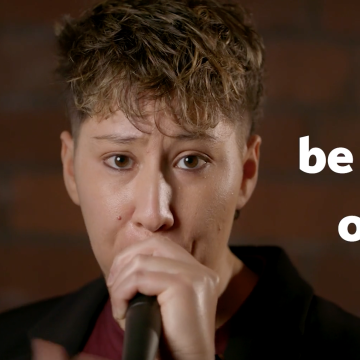
Following a delicious Caribbean lunch, vibrant music and networking, attendees returned for the practical workshop session. Jo shared pathways to forming a co-operative, accessing support and funding and navigating governance through the West Midlands Ownership Hub. To inspire shared ownership, she also showed the Be Part of It video, which is based on a poem by Birmingham’s former poet laureate Jasmine Gardosi. The message was clear: starting a co‑op is not just a dream – it’s a concrete, supported opportunity.
For many, it was the first time they had considered co‑operatives as a viable business model. Attendees left equipped with resources, inspiration and new relationships.
Music, culture and empowerment
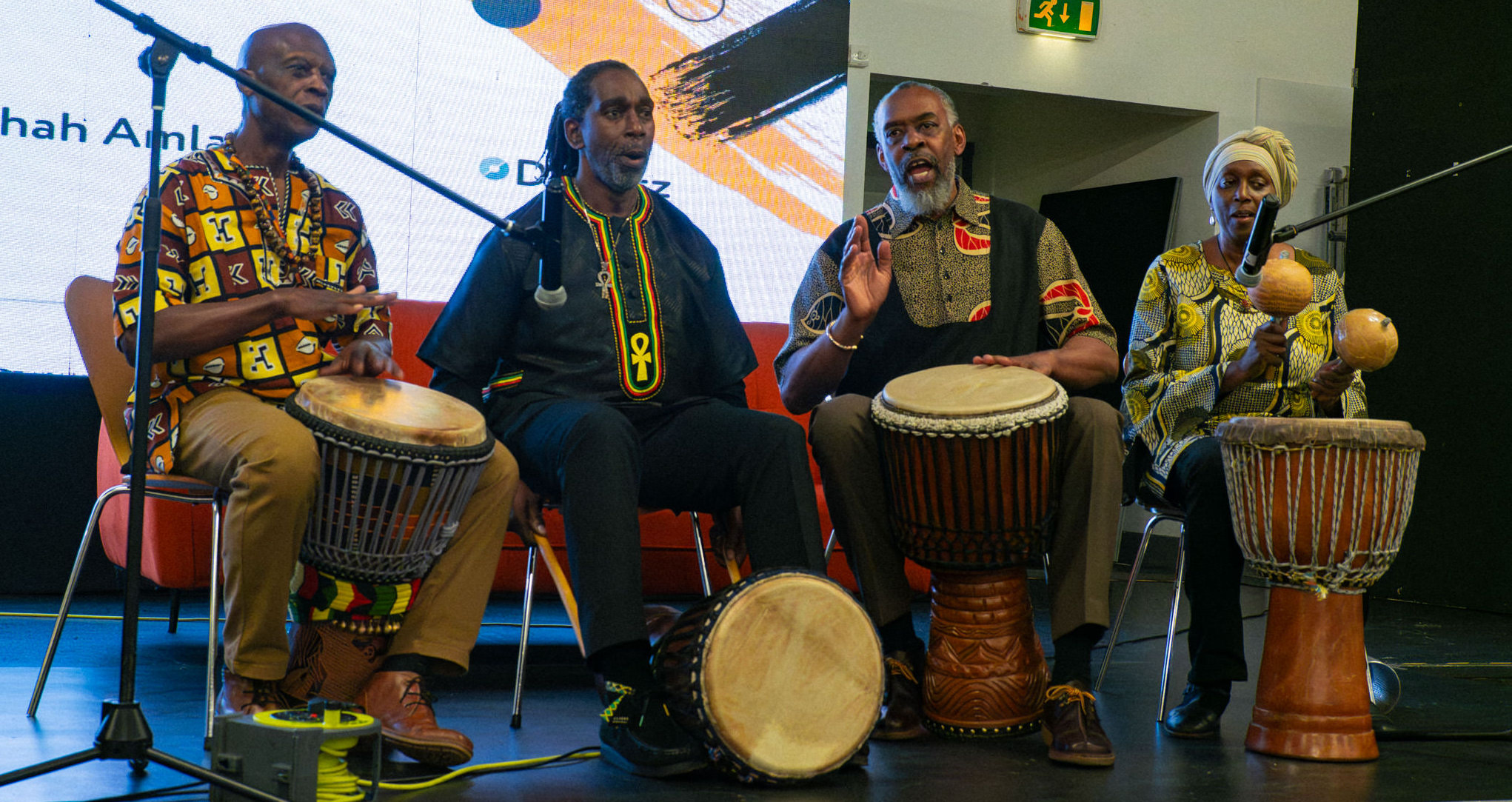
True to its roots, the Caribbean Creative Convention was infused with performance. From Caribbean artistes that included Laurel Robinson, a female performance poet and musician to Bobby Woods, who wooed the audience with his soulful renditions.
In many ways, the event was both a celebration and a call to action – a reminder that co‑operatives are not just about business, but about belonging, resilience and empowerment. With the creative economy growing rapidly and systemic inequalities still present, co‑operative models offer a timely solution.
As one attendee put it: “This was a day well-spent. Informative, entertaining, with great food.”
West Midlands Ownership Hub is an initiative funded by Power to Change, delivered by Co‑operatives UK, the Employee Ownership Association and the West Midlands Combined Authority.
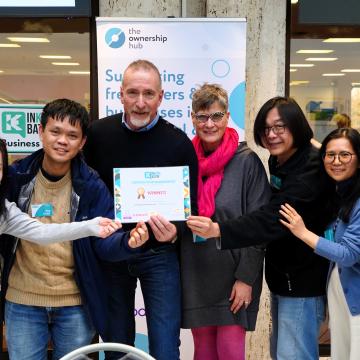
West Midlands Ownership Hub

About the Ownership Hub
New film inspires growth of co-ops in the West Midlands